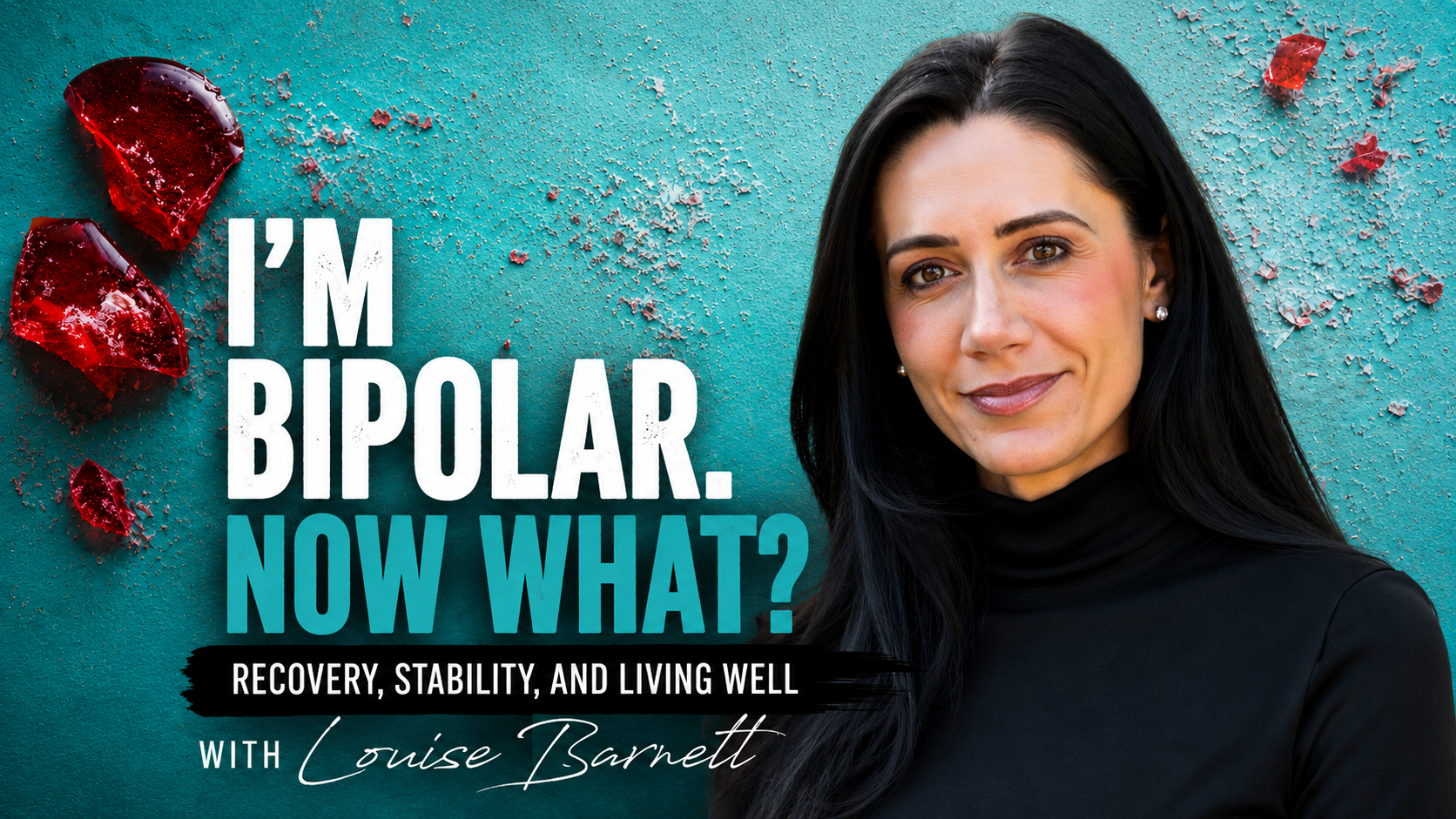
One of the biggest misconceptions I had after being diagnosed with Bipolar I Disorder was believing medication would solve everything.
Don't get me wrong—medication was absolutely necessary for me. But even after finding the right medications, I was still cycling. I was still struggling. I was still wondering why I wasn't getting better.
What I've learned over the past decade is that bipolar regulation isn't built on a single pillar. It's built on six. Think of these pillars like the legs of a table. Remove one or two, and things become unstable. Strengthen all six, and you create the foundation for a life that feels steady, meaningful, and sustainable.
Full Episode on 6 Pillars streaming now on I’M BIPOLAR. NOW WHAT? PODCAST
Why Medication Wasn't Enough
Medication isn't a weakness. It's a tool.
For many of us, bipolar disorder is a biological illness that requires biological treatment.
Finding the right medication can reduce episodes, increase stability, and create the foundation for everything else.
Just as important as medication itself is finding a psychiatrist you trust and maintaining regular communication with them.
Bipolar disorder changes over time, and treatment often needs to evolve with it.
One of the most helpful tools I discovered was genetic testing. While it's not perfect, genetic testing can provide valuable information about how your body may process different psychiatric medications.
I highly encourage you to explore Genomind genetic testing and discuss it with your provider.
Podcast on Genomind episode #125 I’m Bipolar. Now What? Podcast
MEDICATION
Medication may stabilize the brain, but therapy helps heal the person.
One of the biggest mistakes I made was viewing therapy as something you do during a crisis. Today, I believe therapy should be a lifelong practice.
I've spent years working with the same therapist, and some of my most important breakthroughs didn't happen in the first six months or even the first few years. They happened after trust was built and deeper layers of trauma finally surfaced.
Therapy helps us understand where we've been and heal the wounds we've carried. Coaching helps us decide where we're going and build a future we're excited to live.
Don't wait until you're struggling to find a therapist. Find one now. Build the relationship before you need it. And once you're stable, consider adding coaching to help create a life that feels meaningful, purposeful, and worth protecting.
If therapy isn't financially accessible right now, I've compiled a list of free resources to help you get started: louisebarnett.com/resources
REGULAR THERAPY & COACHING
This is a hill I will die on.
Here's the uncomfortable truth: bipolar disorder already carries a higher risk of suicide and early death. Add alcohol or drugs into the mix, and those risks climb even higher.
I used to think drinking was helping me cope with bipolar disorder. Looking back, it was pouring gasoline on a fire I couldn't see. Sobriety didn't cure my bipolar disorder, but it dramatically improved my odds of living a long, stable, meaningful life.
If you want to effectively manage bipolar disorder, sobriety needs to be part of the conversation.
Alcohol and recreational drugs can interfere with medication effectiveness, disrupt sleep, increase impulsivity, worsen anxiety and depression, and make it difficult to identify what is actually causing mood changes.
If you're curious about exploring sobriety, the I’m Bipolar. Now What? Podcast has hundreds of interviews, and I've compiled a complete list of free resources to help you get started:
SOBRIETY

Lifestyle is medicine: If medication creates the foundation, lifestyle determines how stable that foundation remains.
The bipolar brain thrives on CONSISTENCY
SLEEP: If I could only choose one lifestyle intervention, it would be sleep. Research consistently shows that sleep disruption is one of the strongest triggers for both mania and depression. A single night of poor sleep can impact mood regulation, stress hormones, cognitive functioning, and emotional resilience. Protect your sleep like your life depends on it. Because for many of us, it does.
EXERCISE: increases mood-regulating neurotransmitters, improves sleep quality, reduces anxiety, lowers stress hormones, and supports overall brain health. You don't need marathon training. You need consistency.
NUTRITION matters. Blood sugar instability, nutrient deficiencies, inflammation, and poor eating habits can all impact mood and energy. Focus on eating real food, adequate protein, healthy fats, and plenty of hydration. And no—keto is not going to cure bipolar disorder.
ROUTINE: The bipolar brain loves predictability. Consistent wake times, meal times, exercise schedules, and bedtime routines help regulate circadian rhythms, which play a major role in mood stability. The goal isn't perfection. The goal is consistency.
LIFESTYLE
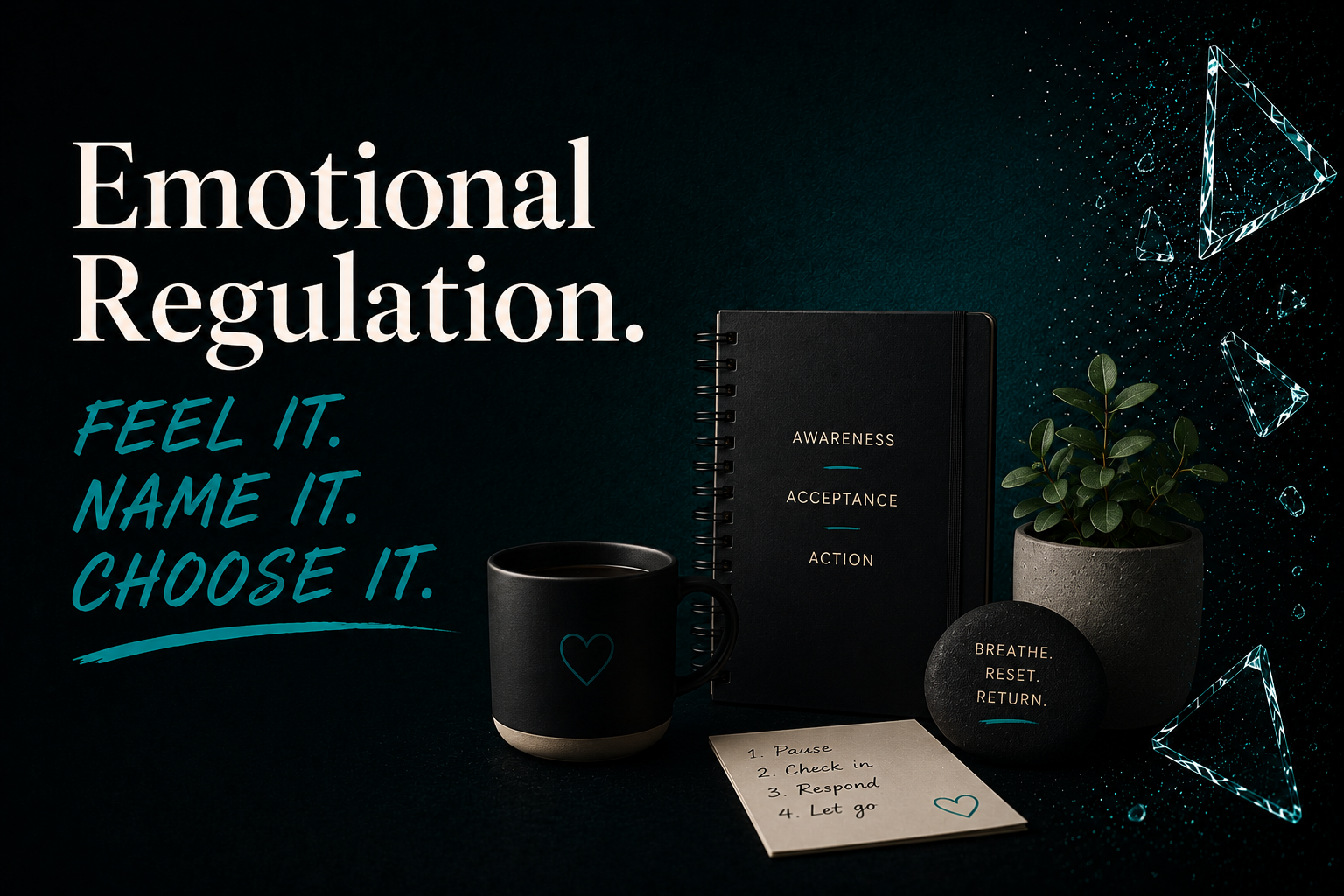
Many of us were never taught how to effectively process emotions.
Instead, we learned to suppress them, escape them, numb them, or become overwhelmed by them. And for many people living with bipolar disorder, emotional regulation isn't simply a matter of willpower.
There is biology involved: The same brain that experiences mood instability can also experience heightened emotional sensitivity, increased reactivity to stress, and a nervous system that activates more quickly and takes longer to return to baseline.
In other words, if you've ever felt emotions more intensely than the people around you, you're probably not imagining it. It's not a character flaw. It's not a weakness. And it's not your fault.
But it is your responsibility to learn the skills needed to manage those emotions effectively. Learning emotional regulation skills has been one of the most transformative parts of my recovery.
If possible, I strongly recommend participating in an in-person or virtual DBT (Dialectical Behavior Therapy) group.
DBT teaches practical skills for:
• Emotional regulation
• Distress tolerance
• Interpersonal effectiveness
• Mindfulness
These are skills that can improve every area of life, not just bipolar disorder.
If you're interested in actually working with a DBT therapist, Psychology Today has a DBT therapist directory
EMOTIONAL REGULATION
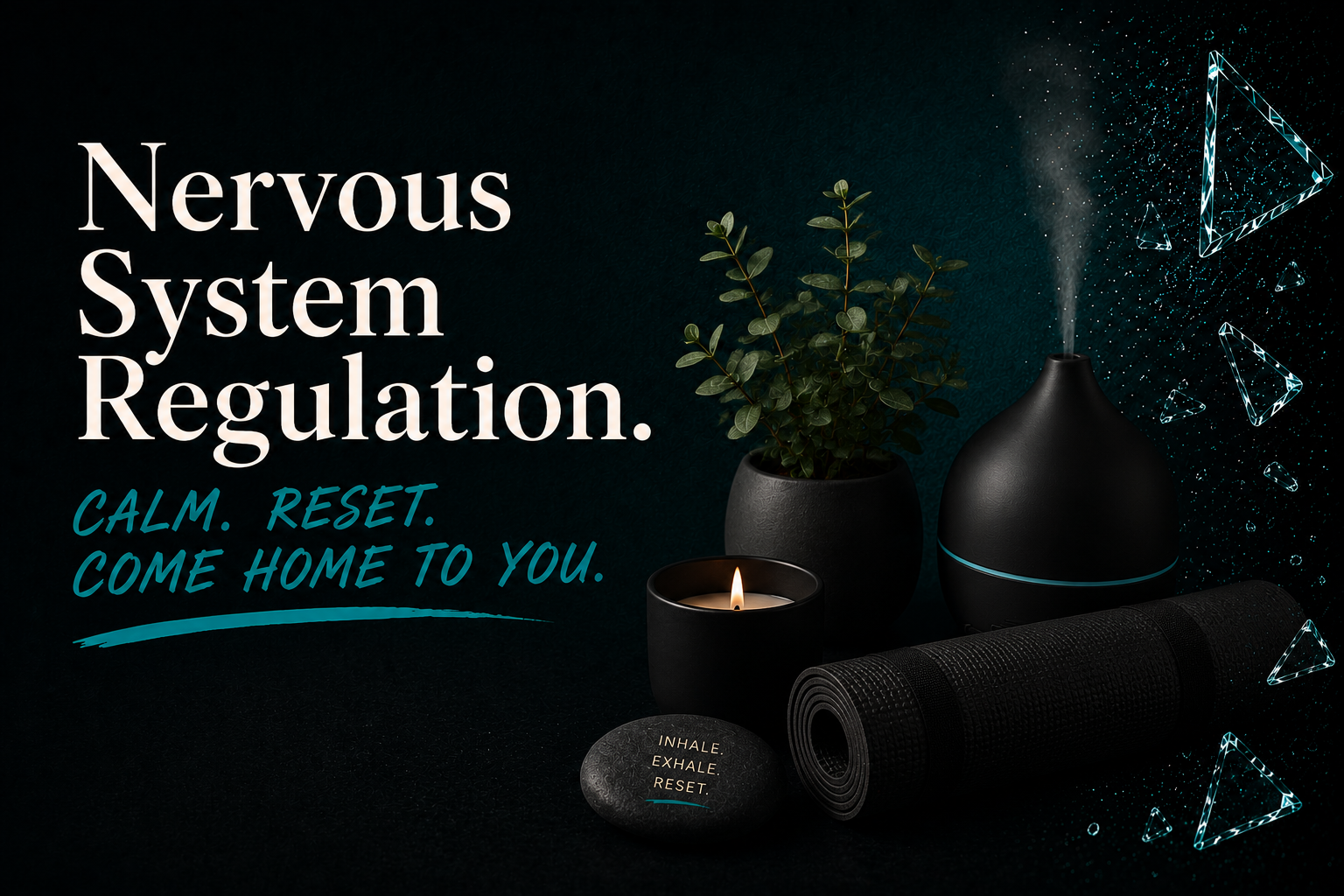
This is the pillar I overlooked for years.
I thought Bipolar Disorder was purely a chemical imbalance that could be solved with the right medication. While medication has been absolutely essential in my recovery, I've learned that the state of my nervous system plays a huge role in how I experience the world.
Many people living with bipolar disorder spend years in a chronic state of fight, flight, freeze, or fawn. When your nervous system is dysregulated, your body behaves as though danger is present—even when it isn't.
Research has shown that stress is one of the most common triggers for mood episodes. A dysregulated nervous system keeps the body in a heightened state of stress, which can increase vulnerability to both depression and mania.
Think of it this way: If Bipolar Disorder is the fire, a dysregulated nervous system is often the gasoline. The more activated your nervous system becomes, the harder it is for your brain to maintain stability.
Learning how to regulate your nervous system won't cure bipolar disorder. But it can lower your baseline stress, improve emotional resilience, support better sleep, reduce anxiety, and create a more stable environment for your brain.
Some of my favorite tools include:
• Breathwork
• Meditation
• Journaling/Writing
• Yoga and gentle movement
• Grounding exercises
• Walking in nature
• Time away from screens
• Rest without guilt
Recommended Resources:
NERVOUS SYSTEM REGULATION
FINAL THOUGHTS
One of the hardest truths I've had to accept is that Bipolar Disorder is not something I can cure. I've spent years searching for the thing that would finally fix me.
The perfect medication.
The perfect supplement.
The perfect diet.
The perfect therapy.
The perfect answer.
What I've learned is that recovery isn't about curing bipolar disorder. It's about learning how to work with your brain instead of constantly fighting against it.
Bipolar disorder may always be part of my story.
But it doesn't get to write the ending.
Through medication, therapy, sobriety, lifestyle, emotional regulation, and nervous system regulation, I've built a life that is stable, meaningful, joyful, and worth protecting.
You can too.
One pillar at a time.
Louise
A quick note: Everything I share comes from my lived experience of Bipolar I disorder and my work as a certified coach. I am not a doctor or therapist, and nothing I offer is intended to replace medical advice, diagnosis, or treatment. Always consult your healthcare team regarding your mental health and medications.
If you’ve ever left a psychiatrist’s office thinking…”Okay… I’m bipolar. Now what?”
You’re not alone.
A diagnosis is only the beginning. The real challenge is learning how to navigate the everyday realities of bipolar disorder: the routines, the relationships, the fear of another episode, the emotional regulation, the sleep, the shame, the identity, and everything else no one prepared us for.
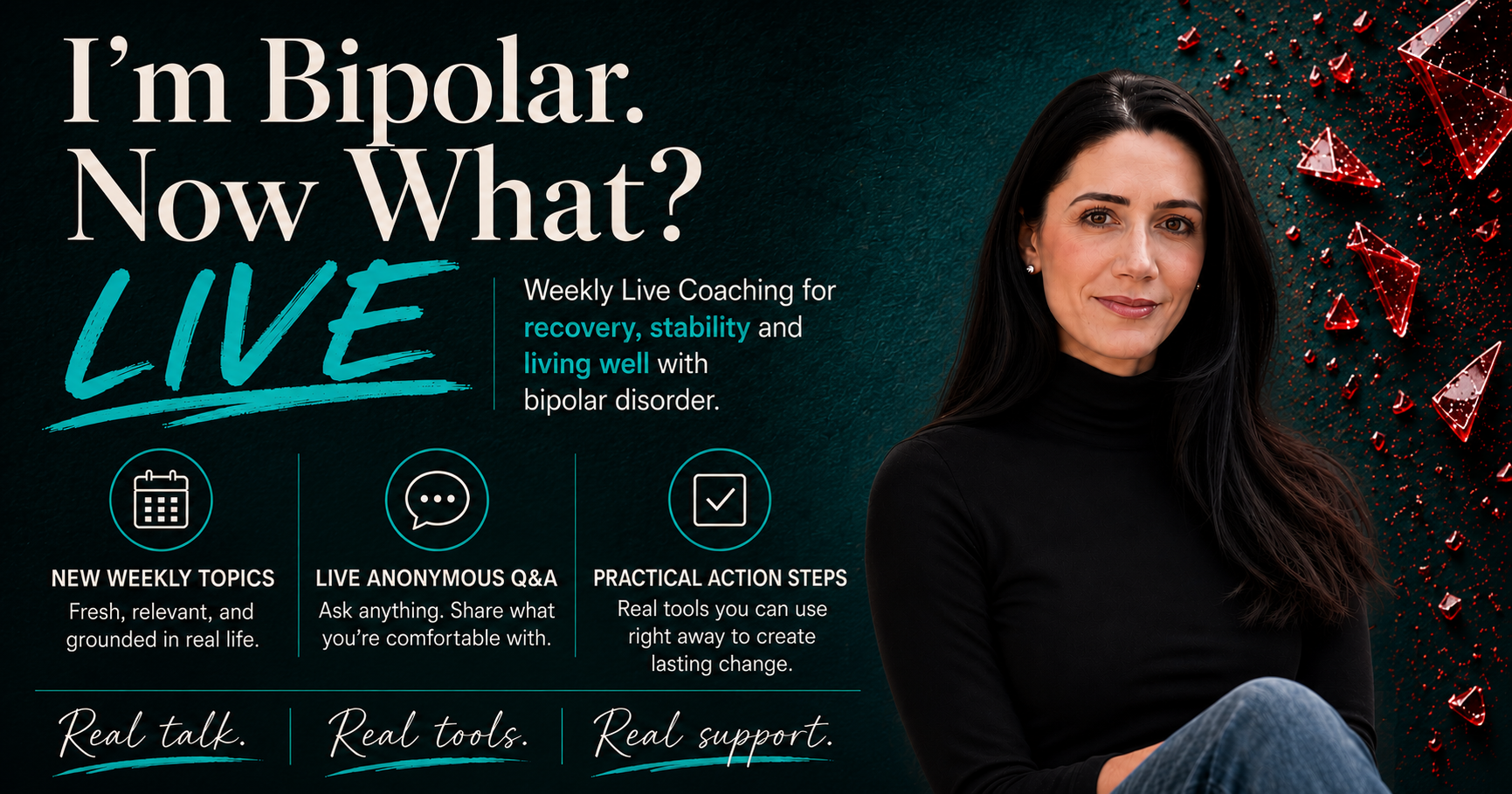
I’m Bipolar. Now What? LIVE! is a private, anonymous weekly coaching community where we go far beyond what I can fit into a 60-second reel or a one-page newsletter.
Each week we’ll cover practical strategies for recovery and stability, answer your anonymous questions, and you’ll leave with one simple tool you can start using immediately.
Whether you've been living with bipolar disorder for years, were recently diagnosed, or are still trying to make sense of it all, I want you to know that you belong here.
Additional Resources
I988 Suicide and Crisis Lifeline
Call or text 988
988lifeline.org
National Alliance on Mental Illness (NAMI)
Information, education, and support groups for individuals and families.
nami.org
Depression and Bipolar Support Alliance (DBSA)
Peer support and education specifically for bipolar disorder and depression.
dbsalliance.org
Substance Abuse and Mental Health Services Administration (SAMHSA) National Helpline
1-800-662-HELP (4357)
findtreatment.gov
Alcoholics Anonymous (AA)
Peer-led recovery meetings worldwide.
aa.org
Narcotics Anonymous (NA)
A global, peer-led recovery program for individuals seeking freedom from drug addiction.
na.org
International Bipolar Foundation
ibpf.org
Crisis Text Line
Text HOME to 741741
crisistextline.org
National Eating Disorders Association (NEDA)
Support, screening tools, and treatment referrals.
nationaleatingdisorders.org